How I Slowed My Aging with Emotional Balance – A Real Guide
What if the secret to looking younger isn’t in a cream or supplement, but in how you manage your emotions? Chronic stress, unchecked frustration, and emotional exhaustion silently speed up aging. I’ve seen it in my own skin, energy, and focus. After years of burnout, I started treating emotional balance as seriously as diet and sleep. The shift wasn’t instant, but the changes were real—fewer wrinkles, more glow, better resilience. This isn’t a miracle fix, but a science-backed way to age slower from the inside out.
The Hidden Link Between Emotions and Aging
Emotional health is not just about feeling calm or happy—it plays a direct role in how quickly your body ages. While many focus on external signs like fine lines or gray hair, the deeper aging process unfolds at the cellular level, where emotions leave lasting imprints. Research in psychoneuroimmunology—the study of how the mind affects the body’s immune and nervous systems—shows that chronic emotional distress can accelerate biological aging. One of the most well-documented pathways is through the hormone cortisol, often called the “stress hormone.” When emotional stress becomes persistent, cortisol levels remain elevated, triggering a cascade of physiological changes that wear down the body’s repair systems.
Elevated cortisol contributes to increased inflammation and oxidative stress, two key drivers of cellular aging. Inflammation, while necessary in short bursts to fight infection, becomes harmful when it lingers. Chronic low-grade inflammation has been linked to a range of age-related conditions, including heart disease, joint deterioration, and skin thinning. Oxidative stress, caused by an imbalance between free radicals and antioxidants, damages DNA and cellular structures over time. Both processes are intensified by emotional strain, particularly when emotions like anger, anxiety, or sadness are suppressed or poorly managed.
One of the most compelling pieces of evidence connecting emotions to aging comes from the study of telomeres—protective caps at the ends of chromosomes that shorten with each cell division. Shorter telomeres are associated with older biological age, regardless of chronological age. Nobel Prize-winning research by Dr. Elizabeth Blackburn and Dr. Elissa Epel found that women under chronic psychological stress had significantly shorter telomeres than those with lower stress levels. Importantly, it wasn’t just life events that mattered, but how individuals responded emotionally to those events. Those who felt overwhelmed and helpless showed the most accelerated cellular aging, even if their external circumstances were similar to others who coped more effectively.
These findings suggest that the way we process emotions—whether we ruminate on past conflicts, anticipate future worries, or suppress feelings in the moment—directly influences our biological timeline. Emotional exhaustion, often dismissed as mere fatigue, may in fact be a visible sign of internal aging processes speeding up. The physical signs—dull skin, slower recovery from illness, decreased stamina—are not simply due to time passing, but to the cumulative burden of unmanaged emotional load. This reframes emotional balance not as a luxury or a side aspect of wellness, but as a foundational pillar of longevity.
Why Emotional Management Matters More Than You Think
Most anti-aging strategies focus on what we apply to the skin or consume in supplements—vitamin C serums, collagen powders, or antioxidant-rich diets. While these can support health, they often overlook a more powerful factor: the internal emotional environment. Think of your body as a garden. No matter how high-quality the fertilizer or how carefully you water the plants, if the soil is depleted or contaminated, growth will be stunted. Emotional balance is the soil of your biological garden. Without nurturing it, even the best external care yields limited results.
Despite this, emotional hygiene is rarely treated with the same seriousness as skincare or nutrition. Many people track their steps, monitor their sleep, or count macros, yet rarely pause to assess their emotional state. This imbalance reflects a cultural bias that prioritizes visible results over internal well-being. But the truth is, emotional regulation has measurable effects on physical health. Studies have shown that individuals who practice emotional regulation techniques—such as mindfulness or cognitive reappraisal—experience slower telomere shortening, reduced inflammatory markers, and better cardiovascular function.
One reason emotional management is so impactful is its influence on sleep quality. Poor emotional regulation often leads to racing thoughts, nighttime rumination, and difficulty falling or staying asleep. Sleep, in turn, is a critical period for cellular repair and hormone regulation. When emotional stress disrupts sleep, the body misses out on essential recovery time, accelerating signs of aging. Conversely, those who manage their emotions effectively tend to have more restful sleep, which supports skin regeneration, mental clarity, and immune function.
Skin health, in particular, is highly sensitive to emotional states. The skin and brain share the same embryonic origin and remain closely linked through the neuroendocrine system. When stress hormones rise, the skin’s barrier function weakens, moisture retention declines, and collagen production slows. This is why many women notice breakouts, dryness, or puffiness during emotionally turbulent times. Addressing the root cause—emotional imbalance—can lead to more lasting improvements than topical treatments alone. Treating emotional health as a strategic part of anti-aging is not about being “soft” or “indulgent.” It is a practical, science-based approach to preserving vitality.
Recognizing Your Emotional Triggers (The First Step)
Before emotional balance can be achieved, it’s essential to identify what disrupts it. Emotional triggers are specific situations, interactions, or thoughts that provoke strong emotional reactions—often disproportionate to the event itself. For many women in their 30s to 50s, common triggers include work deadlines, family demands, financial concerns, or perceived failures in personal goals. These triggers don’t cause aging directly, but the repeated activation of stress responses—without adequate recovery—does. Each time a trigger sets off a surge of frustration or anxiety, the body releases stress hormones that, over time, take a toll on cellular health.
One of the challenges is that many emotional triggers operate beneath conscious awareness. A seemingly neutral comment from a partner or child might spark irritation not because of the words, but because it echoes an old insecurity or unmet need. Perfectionism, for example, is a powerful internal trigger that many high-achieving women carry. The constant pressure to do more, be more, and never make mistakes creates a low hum of anxiety that never fully turns off. This chronic state of emotional tension keeps cortisol levels elevated, even in the absence of obvious crises.
To begin identifying personal triggers, self-observation is key. One effective method is emotional journaling. Taking just five to ten minutes a day to reflect on moments of emotional discomfort can reveal patterns. Questions to consider include: When did I feel tense today? What was happening just before? How did my body react—did my shoulders tighten, my breath shorten, or my stomach clench? Over time, these entries can highlight recurring themes, such as difficulty saying no, fear of disappointing others, or feeling undervalued in relationships.
Another useful technique is body scanning—a practice borrowed from mindfulness traditions. At the end of the day, take a few minutes to mentally scan from head to toe, noticing areas of tension or discomfort. The body often registers emotional stress before the mind fully processes it. A clenched jaw, tight chest, or stiff neck may signal that emotional strain has accumulated, even if you can’t pinpoint a specific cause. By tuning into these physical cues, you gain early warning signs that allow you to intervene before stress becomes chronic. Recognizing triggers is not about blaming oneself or others, but about gaining awareness—the first step toward meaningful change.
Daily Habits That Reset Your Emotional State
Once emotional triggers are identified, the next step is building daily habits that counteract their effects. These are not grand gestures or time-consuming routines, but small, consistent actions that signal safety to the nervous system. The goal is not to eliminate stress—some stress is inevitable and even beneficial—but to restore balance afterward. Just as physical exercise strengthens muscles, emotional recovery practices strengthen resilience. Over time, these habits reduce baseline stress levels, lower cortisol, and support cellular repair.
Mindful breathing is one of the most accessible and effective tools. When stress activates the sympathetic nervous system (the “fight-or-flight” response), slow, deep breathing engages the parasympathetic system (the “rest-and-digest” mode). A simple practice is box breathing: inhale for four counts, hold for four, exhale for four, and pause for four. Repeating this cycle for just three to five minutes can calm the mind, lower heart rate, and reduce cortisol. Doing this in the morning, during a work break, or before bed creates regular reset points throughout the day.
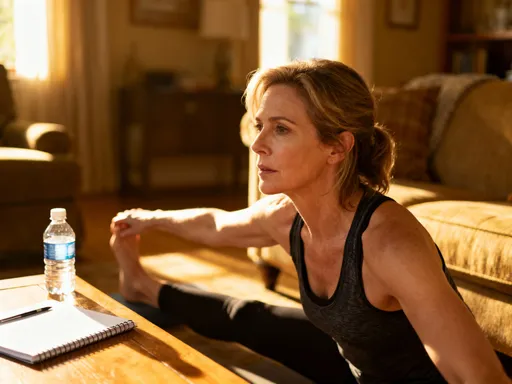
Brief movement breaks also play a crucial role. Physical activity, even in small doses, helps metabolize stress hormones and increases endorphins—natural mood boosters. A five-minute walk around the block, gentle stretching, or dancing to a favorite song can shift emotional state quickly. Movement doesn’t need to be intense; the key is consistency. Women who incorporate short bursts of activity into their day report not only better mood but improved sleep and clearer skin, likely due to enhanced circulation and reduced inflammation.
Digital detox moments are another powerful habit. Constant exposure to screens—emails, news, social media—keeps the mind in a state of low-grade alertness, making it harder to relax. Setting boundaries, such as no screens during meals or a one-hour screen-free wind-down before bed, allows the nervous system to recover. This simple change often leads to deeper sleep, reduced eye strain, and a calmer emotional baseline. These daily resets are not indulgences; they are essential maintenance for long-term well-being.
Reframing Thoughts to Reduce Internal Pressure
Emotional balance is not just about managing reactions—it’s also about reshaping the thoughts that fuel them. Many women carry an inner critic that amplifies stress: “You should have done better,” “You’re falling behind,” “Others are managing just fine.” This kind of negative self-talk increases emotional load and contributes to chronic stress. Over time, it wears down mental and physical resilience, showing up as fatigue, irritability, and even accelerated aging. The good news is that thought patterns can be reshaped with practice.
Cognitive awareness—the ability to observe thoughts without immediately reacting—is a foundational skill. One technique is thought labeling. When a harsh thought arises, instead of believing it or fighting it, simply name it: “That’s a judgment,” “That’s a comparison,” or “That’s perfectionism talking.” This small shift creates distance, reducing the thought’s emotional power. It’s like noticing clouds passing in the sky—you see them, but you don’t have to climb inside each one.
Perspective shifting is another effective strategy. When faced with a stressful situation, ask: “Will this matter in five years?” or “What would I say to a friend in this situation?” These questions help soften rigid thinking and reduce emotional intensity. For example, missing a deadline may feel like a personal failure in the moment, but viewed from a broader perspective, it’s a temporary setback, not a reflection of worth. This kind of reframing doesn’t deny reality—it simply creates space for compassion and clarity.
Over time, these practices build mental flexibility, reducing the internal pressure that contributes to aging. Women who cultivate kinder inner dialogue often report feeling lighter, more present, and more connected to their bodies. This shift isn’t about positive thinking or ignoring challenges; it’s about reducing unnecessary emotional strain. When the mind isn’t constantly at war with itself, the body can focus on repair, renewal, and balance.
Building Emotional Resilience Over Time
Resilience is not the absence of stress, but the ability to recover from it. Just as physical fitness improves with regular exercise, emotional resilience grows through consistent practice. The goal is not to avoid difficult emotions, but to move through them without getting stuck. This recovery capacity is what protects against accelerated aging. When stress is followed by restoration, the body maintains balance. When stress is constant and recovery is rare, the system wears down.
One of the most effective ways to build resilience is through gratitude reflection. Taking a few minutes each day to acknowledge things that went well—no matter how small—shifts attention from lack to abundance. This doesn’t mean ignoring problems, but counterbalancing the brain’s natural negativity bias. Studies show that regular gratitude practice is linked to lower cortisol levels, improved sleep, and increased feelings of well-being. Writing down three good things that happened each day, or mentally reviewing positive moments before bed, can create a lasting shift in emotional tone.
Social connection is another cornerstone of resilience. Meaningful conversations with trusted friends or family members provide emotional support and reduce feelings of isolation. Even brief, authentic interactions—sharing a laugh, venting a frustration, or receiving a kind word—can lower stress hormones and boost oxytocin, a hormone associated with bonding and calm. Women who prioritize quality connections tend to age more gracefully, not just in appearance but in spirit.
Sleep consistency also plays a critical role. Going to bed and waking up at similar times each day regulates the body’s internal clock, improving sleep quality and hormonal balance. Poor sleep disrupts emotional regulation, making it harder to cope with stress the next day. Over time, this creates a cycle of emotional fatigue and physical decline. By protecting sleep as a non-negotiable part of self-care, women create a strong foundation for emotional and cellular health. Resilience, built daily, becomes a quiet but powerful force in aging well.
Making It Last: Turning Insights into Lifestyle
The final step in slowing aging through emotional balance is sustainability. Many women start strong with new habits but struggle to maintain them amid life’s demands. The key is not willpower, but design. Habit stacking—linking a new behavior to an existing one—makes integration easier. For example, practicing mindful breathing right after brushing teeth in the morning, or journaling for five minutes while drinking evening tea, anchors the practice in routine. These small pairings reduce the mental effort needed to remember and act.
Environment also shapes behavior. Creating a calming space at home—a cozy chair for reflection, a journal kept on the nightstand, or a phone-free bedroom—supports emotional care without requiring constant motivation. Similarly, scheduling regular check-ins with oneself, like a weekly review of emotional well-being, helps maintain awareness and course-correct when needed. Progress, not perfection, should be the measure of success. Some days will be better than others, and that’s okay. Self-compassion is not a distraction from growth—it is part of it.
Aging well is not about fighting time or chasing youth. It’s about living in alignment with your emotional truth—honoring your needs, respecting your limits, and nurturing your inner world with the same care you give to your family and home. When emotional balance becomes a lifestyle, the changes go beyond appearance. Energy deepens, relationships improve, and a quiet confidence emerges. You may not stop the years from passing, but you can influence how they shape you. By treating emotional health as essential, not optional, you invest in a future that is not just longer, but richer, brighter, and more authentically yours.