You Gotta See This: Pretoria’s Public Spaces Just Blew My Mind
Pretoria doesn’t just sit quietly as South Africa’s administrative capital—it pulses with life in its public spaces. From leafy plazas to vibrant street corners, I was blown away by how much character these shared areas hold. What I found wasn’t just pretty scenery, but real connection—people laughing, artists creating, history speaking. If you think government cities are dull, think again. Pretoria’s public spaces are where the city truly checks in with its soul. This is not a city that hides behind bureaucracy; it opens its arms in open plazas, tree-lined boulevards, and thoughtfully designed parks where residents and visitors alike gather, reflect, and celebrate everyday life. More than monuments or museums, it is these communal zones that reveal Pretoria’s heartbeat.
The First Impression: Arriving in Pretoria’s Urban Heart
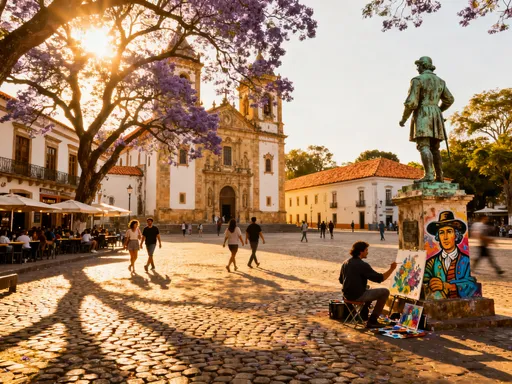
Stepping into Pretoria for the first time, one is immediately struck by the harmony between nature and urban planning. The city unfolds with wide, jacaranda-lined avenues that stretch beneath a canopy of purple blooms in spring, offering a visual welcome that feels both regal and inviting. In the distance, the grand arc of the Union Buildings rests on Meintjieskop, a silent yet commanding presence that anchors the city’s skyline. As you move closer to the city center, the blend of colonial-era architecture and modern civic buildings creates a layered sense of time—history not preserved behind glass, but lived in and around.
At the heart of this urban tapestry lies Church Square, a public plaza that has served as Pretoria’s central gathering point since the late 1800s. Surrounded by ornate buildings with clock towers and arched facades, the square is more than a relic—it is a living space. Office workers pause on benches during lunch, children chase pigeons, and local vendors sell snacks and souvenirs under shaded awnings. The square’s design, inspired by European models, has been adapted to South African rhythms, making it both formal and accessible. It sets the tone for what follows: a city where public spaces are not afterthoughts, but central to daily life.
First impressions matter, especially when choosing a travel destination. Many assume administrative capitals are sterile or overly formal, but Pretoria defies that expectation. Its openness—both physical and social—invites exploration. Wide sidewalks, shaded walkways, and clear signage make navigation intuitive. Unlike cities where government zones feel closed off, Pretoria integrates its civic identity into the public realm. This accessibility fosters curiosity, encouraging visitors to wander beyond the guidebook highlights and discover the quieter moments that define a place. The city doesn’t just tolerate foot traffic—it welcomes it, signaling that everyone belongs.
Union Buildings and Freedom Park: Where History Lives in Public Space
No visit to Pretoria is complete without experiencing the Union Buildings, the official seat of South Africa’s executive branch and a national symbol of unity and democracy. Designed by Sir Herbert Baker and completed in 1913, the neoclassical complex rises in sweeping semi-circular terraces, echoing the surrounding hills. But what makes it remarkable is not just its architecture—it’s how freely the public can engage with it. Unlike many government headquarters around the world, the Union Buildings are not cordoned off or restricted. Visitors walk the lawns, sit beneath the bronze statues, and take in panoramic views of the city below.
The site holds deep historical significance. It was here that Nelson Mandela was inaugurated as South Africa’s first democratically elected president in 1994, a moment that transformed the buildings from symbols of colonial and apartheid power into emblems of national rebirth. Today, guided tours offer insight into the architecture, artwork, and political history within, but even unguided visits feel meaningful. The Memorial Wall to South Africa’s presidents, the tranquil amphitheater, and the beautifully landscaped gardens all contribute to a sense of reverence without rigidity. Families picnic on weekends, students read under trees, and tourists pause to reflect—each interaction adding a new layer to the site’s evolving story.
Just a short drive away, Freedom Park offers a different but equally powerful expression of public memory. Opened in 2007, this national heritage site honors all South Africans who have contributed to the country’s journey toward freedom and democracy. Its design is intentional and symbolic: a pathway known as the Isivivane leads visitors through seven thematic zones, each representing stages of life, struggle, and renewal. The atmosphere is contemplative, yet deeply inclusive. Unlike traditional war memorials, Freedom Park acknowledges diverse experiences—soldiers, activists, ordinary citizens—across race, gender, and era.
Accessibility enhances its impact. The park is open to all, with free admission on certain days and affordable guided walks that deepen understanding. Its location on Salvokop Hill provides both physical and metaphorical elevation, offering sweeping views while inviting introspection. For families, it’s a place to teach children about national identity; for travelers, it’s a window into South Africa’s complex soul. Together, the Union Buildings and Freedom Park demonstrate how public spaces can be more than functional—they can be vessels of collective memory, open to interpretation, dialogue, and healing.
Green Oases: Parks That Breathe Life into the City
In a world where cities often feel overcrowded and concrete-heavy, Pretoria stands out for its commitment to green space. More than 50,000 jacaranda trees drape the city in lavender each October and November, earning it the nickname “Jacaranda City.” But beyond the seasonal spectacle, Pretoria’s parks serve as essential lungs for urban life. They are not merely decorative—they are functional, accessible, and deeply woven into the rhythm of daily living. Whether for exercise, relaxation, or family outings, these green oases offer respite without requiring a long journey beyond city limits.
Groenkloof Nature Reserve is one of the oldest proclaimed nature reserves in the world, established in 1892. Nestled just west of the city center, it spans over 600 hectares of indigenous bushveld and offers a surprising wilderness experience within minutes of downtown. Well-maintained walking and cycling trails wind through rocky outcrops and riverine forests, frequented by dassies, small antelope, and over 200 bird species. For mothers and caregivers, it’s a safe, shaded escape where children can run freely and connect with nature. Early mornings bring yoga groups and jogging clubs; weekends fill with picnicking families. The reserve’s accessibility—open daily with minimal entry fees—makes it a democratic space where wellness is not a luxury, but a shared right.
Equally vital is the Rietvlei Wetland Reserve, a protected area that supports Pretoria’s water system while offering exceptional birdwatching and educational opportunities. Boardwalks and observation decks allow quiet immersion in wetland ecosystems, where herons, kingfishers, and even the occasional fish eagle can be spotted. School groups visit for environmental programs, while retirees enjoy early-morning walks with binoculars in hand. The reserve exemplifies how public spaces can serve dual purposes: ecological preservation and community enrichment. Its success lies in thoughtful management—paths are well-marked, facilities are clean, and signage is informative without being intrusive.
These green spaces contribute significantly to urban well-being. Studies show that access to nature reduces stress, improves mood, and encourages physical activity—all essential for busy adults managing work and family life. Pretoria’s investment in such areas reflects a long-term vision: a city that values quality of life as much as administrative function. For visitors, these parks are not side attractions but core experiences. A morning walk through Groenkloof or an afternoon at Rietvlei offers a slower, more intimate way to understand the city—one that prioritizes peace, health, and connection.
Street Life and Urban Vibrancy: Markets and Plazas in Motion
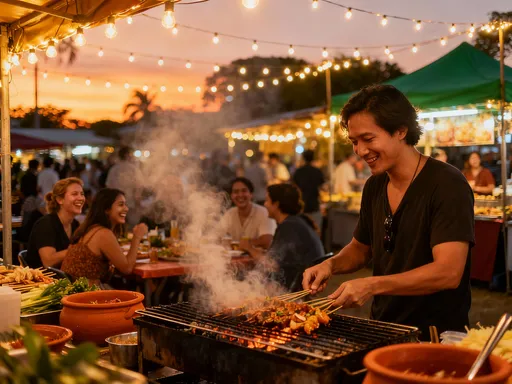
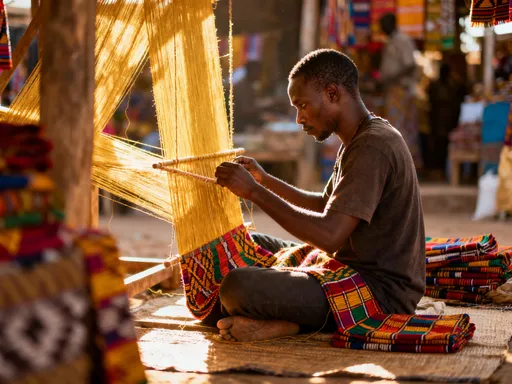
If Pretoria’s parks and monuments reflect its soul, its markets reveal its pulse. These are the places where public spaces transform from passive backdrops into dynamic stages of everyday life. Atterbury Market, open every Thursday and Sunday, is a prime example. Located in a reimagined industrial zone, it buzzes with energy from dawn until dusk. The scent of freshly baked bread mingles with spiced curries and roasting coffee. Musicians play acoustic sets near food stalls, while artisans display handmade jewelry, ceramics, and textiles. Parents push strollers between stands; friends gather at communal tables over craft beer and gourmet burgers.
What sets Atterbury apart is its authenticity. Unlike tourist-focused bazaars, it draws a balanced mix of locals and visitors, creating a genuine cross-section of city life. Vendors are often small business owners—many women-run enterprises—offering everything from organic skincare to vegan pastries. The market’s layout encourages wandering and discovery, with no rigid grid or corporate branding. It feels organic, alive, and inclusive. For families, it’s a weekend destination that combines shopping, dining, and entertainment without the pressure of a crowded mall. For solo travelers, it’s a chance to strike up conversations and sample local flavors in a welcoming setting.
Similarly, Hazelwood Village Square offers a neighborhood-scale version of this vibrancy. Less commercial and more community-oriented, it hosts weekly farmers’ markets where residents buy fresh produce directly from nearby farms. Children participate in face painting or storytelling sessions while parents sip rooibos tea under canvas tents. The square’s design—open grassy areas, shaded seating, and a central fountain—creates a natural gathering point. Events like outdoor movie nights or seasonal festivals further activate the space, turning it into a living room for the surrounding community.
Timing enhances the experience. Visiting Atterbury on a Sunday morning means catching the peak energy—live music, full stalls, and a festive mood. Hazelwood’s charm is best felt on a weekday evening, when the pace slows and conversations deepen. These rhythms reflect a broader truth about urban life: public spaces thrive when they serve real needs, not just aesthetic ideals. Markets like these do more than sell goods—they build relationships, support local economies, and foster a sense of belonging. They prove that even in a capital city, intimacy and warmth are possible.
Public Art and Architecture: Creativity on Display
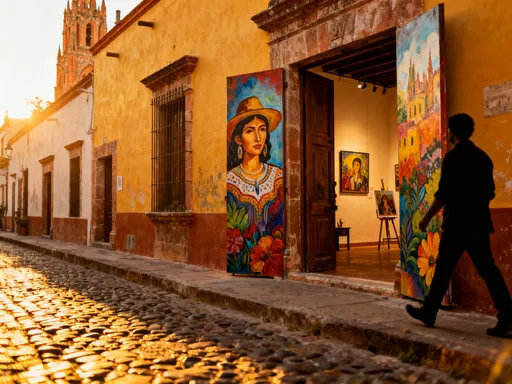
Wandering through Pretoria, one begins to notice how art is not confined to galleries but embedded in the streets themselves. Murals adorn building facades in the city center, depicting historical figures, cultural symbols, and abstract expressions of unity. Sculptures appear in unexpected corners—bronze figures mid-conversation, abstract steel forms reaching skyward. These are not mere decorations; they are invitations to pause, reflect, and engage. Public art in Pretoria serves as a visual dialogue between past and present, between official narratives and community voices.
The area around the University of Pretoria, particularly Hatfield and Brooklyn, is a hotspot for such creativity. Student-led projects, municipal commissions, and nonprofit initiatives have transformed once-dull walls into canvases of color and meaning. A mural near the university’s administration building honors pioneering female scholars, while another celebrates indigenous languages with vibrant typography. These works do more than beautify—they educate and inspire, especially for young people navigating identity and aspiration. The city’s support for such projects signals a commitment to inclusive storytelling, where art reflects not just power, but diversity and progress.
Architecture, too, plays a role in shaping public experience. Thoughtful design can make a space feel welcoming or intimidating, open or exclusive. Pretoria strikes a balance. The Union Buildings, with their sweeping terraces, invite ascent and contemplation. Modern civic buildings incorporate glass and open plazas, reducing the barrier between government and citizen. Even smaller structures—bus shelters, fountains, and benches—are often designed with care, blending functionality with aesthetic appeal. This attention to detail signals respect for the public, reinforcing the idea that shared spaces matter.
Public art and architecture together create a sense of place. They answer the unspoken question: *Who is this city for?* In Pretoria, the answer seems to be: everyone. Whether through a mural celebrating unity, a sculpture honoring resilience, or a bench placed just right for watching the world go by, these elements encourage emotional connection. They remind visitors that a city is not just buildings and roads, but a living story shaped by many hands and hearts.
Accessibility and Inclusivity: Who Gets to Enjoy These Spaces?
The true measure of a city’s public spaces lies not in their beauty, but in their accessibility. Are they usable by people of all ages, abilities, and backgrounds? In Pretoria, this question is increasingly at the forefront of urban planning. Efforts have been made to improve pedestrian pathways, install ramps and tactile paving, and ensure that parks and plazas are well-lit and safe after dark. Public transport routes have been expanded to connect residential areas with key attractions, making it easier for those without private vehicles to participate in city life.
Challenges remain. Some older areas still lack full accessibility, and safety concerns—particularly at night—can deter certain groups from using public spaces freely. Yet the direction is clear: toward greater inclusivity. Initiatives like community policing forums, improved street lighting, and public awareness campaigns are helping to create a safer, more welcoming environment. Municipal programs also prioritize maintenance, ensuring that benches are clean, restrooms are functional, and green spaces are well-kept. These may seem like small details, but they profoundly affect whether a space feels inviting or neglected.
Inclusivity also means representation. Public spaces should reflect the diversity of those who use them. In recent years, Pretoria has made strides in renaming streets and erecting monuments that honor previously marginalized figures. Events in parks and squares increasingly celebrate multiple cultural traditions, from Heritage Day gatherings to youth arts festivals. These efforts help build a sense of shared ownership, where no one feels like a guest in their own city.
For tourists, this inclusivity enhances the travel experience. A city that values its own people tends to welcome outsiders with warmth. When public spaces are designed for everyone, visitors feel more comfortable exploring, interacting, and lingering. It fosters authenticity—the sense that what you’re seeing is not a staged performance, but real life unfolding. Pretoria’s progress in this area may not be perfect, but it is meaningful, and it strengthens both local pride and tourism appeal.
Why Pretoria’s Public Spaces Matter—And How to Experience Them Fully
Pretoria’s charm does not lie in a single landmark or headline attraction. It resides in the quiet moments between: a grandmother feeding pigeons in Church Square, a student sketching beneath a jacaranda tree, a family laughing at a weekend market. These public spaces—carefully designed, thoughtfully maintained, and deeply lived in—are where the city reveals itself most honestly. They blend beauty with purpose, history with vitality, and individual experience with collective identity.
What makes Pretoria exceptional is how seamlessly it integrates these elements. Its administrative role could have made it rigid or impersonal, but instead, it has chosen openness. Monuments are not behind velvet ropes but open to touch and contemplation. Parks are not reserved for special occasions but used daily. Art is not confined to galleries but part of the streetscape. This integration creates a travel experience that feels authentic, restorative, and enriching.
To experience Pretoria fully, one must slow down. Walk instead of drive. Sit on a bench and observe. Strike up a conversation at a market stall. Attend a free concert in a public garden. Let the city unfold at its own pace. These are not passive activities—they are acts of connection, of presence. They allow you to see Pretoria not as a checklist of sights, but as a living, breathing community.
More than that, Pretoria offers a model for meaningful urban travel. In an age where tourism often strains cities or reduces them to Instagram backdrops, Pretoria shows how destinations can welcome visitors while honoring residents. Its public spaces are not performative—they are functional, inclusive, and beloved. They remind us that the best cities are not those with the tallest buildings or busiest attractions, but those where people feel at home, whether they’ve lived there for decades or just arrived yesterday.
So if you’re planning your next trip, consider Pretoria not just as a capital, but as a canvas of shared life. Let its plazas, parks, and pathways guide you. Listen to its stories, taste its food, breathe in its blooming air. You might just find, as I did, that the heart of a city beats loudest in the spaces we share.